What is Compost, and Why do I need it?
Did you Know we Compost?
Northeast Nursery accepts brush, leaves and grass clippings for composting purposes. Our composting site is where we take the raw materials, mentioned above, and with delicate horticultural pracies we manufacture 100% Organic Compost. Click here to view our compost test results.
Sold by the cubic yard, Compost can be either picked up at our yard or delivered to the job site! All of our compost is screened through a 3/4" Tromell screener. All bulk materials are sold by the cubic yard only. If you are looking for smaller quantities we have similar products available in bags.
In order to determine how much compost you need figure out your square footage (length x width). Once calculated divide that by 100. That will give you the quantity desired at a 2-3” depth. Need to calculate your coverage area, click here.
The following are our retail prices. It does not include delivery. Delivery charge is determined by the city/town we go too. If you are interested in ordering compost, contact our Retail Store at 978-535-6550 or Contractor Center at 978-854-4520.
What is Compost?
Compost forms naturally nearly everywhere!!! Leaves drop from trees. Grass clippings are left after mowing the lawn. Plants and animals die. Over time, these organic materials break down or decompose. The rich, dark-brown, crumbly, soil-like material that results is called compost.
.jpg)
At home or at your school compost can be made out of leaves, grass clippings, vegetable and fruit scraps, coffee grounds and filters, tea bags, wood chips, straw, and small twigs.
Tiny living things do much of the work of breaking down organic materials to form compost. These tiny workers are called microorganisms and include such things as bacteria and fungi. Animals living in the soil help microorganisms break down organic materials. Worms and pill bugs are examples of soil animals that help change organic waste into compost.
As microorganisms and soil animals turn organic materials into compost, they use the organic materials as food. The organic materials provide many of the nutrients that plants need for growth and activity. Eventually, these nutrients are turned to the soil, to be used again by trees, grass, and other plants. This is nature's way of composting and recycling!!!
The compost that you make at your home or school can be used as a mulch or mixed into the soil. . Compost is one of nature's best mulches and soil amendments. By composting and mulching you can save money by reducing your fertilizer and landscaping bills, lowering your water bill, and spending less on trash pickups or disposal.
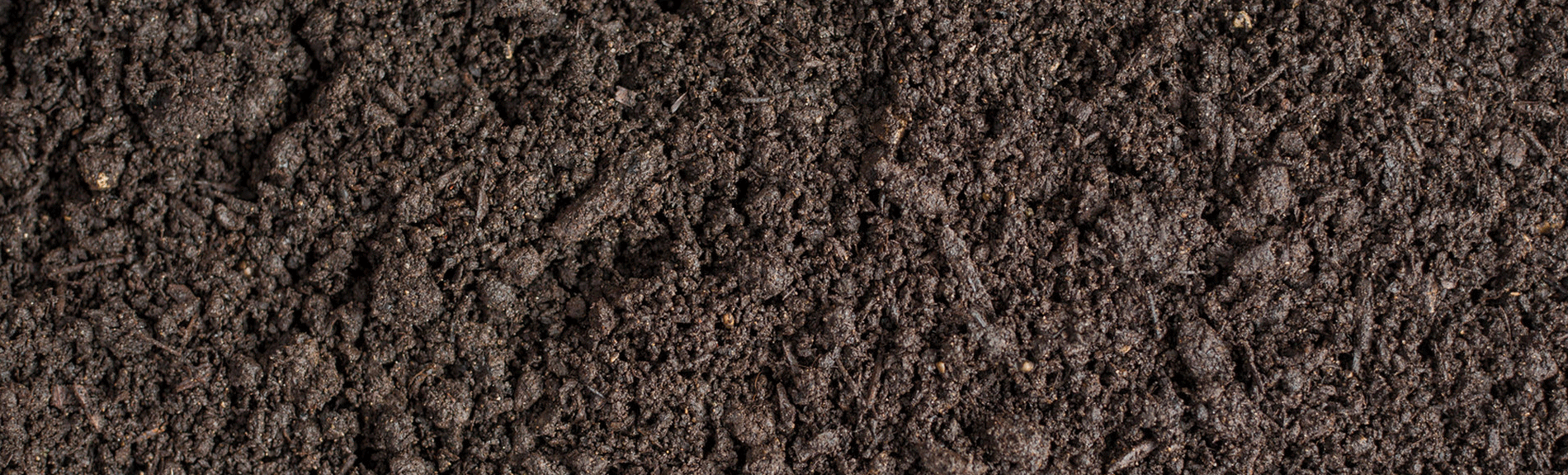
Composting is nature's process of recycling decomposed organic materials into a rich soil known as compost. Anything that was once living will decompose. Basically, backyard composting is an acceleration of the same process nature uses. By composting your organic waste you are returning nutrients back into the soil in order for the cycle of life to continue. Finished compost looks like soil–dark brown, crumbly and smells like a forest floor.
Types of composting:
- Backyard composting — If you have a yard and a balance of browns (fallen leaves or straw) and greens (grass clippings and food scraps), you have all you need to make compost.
- Worm composting (vermicomposting) — If you have a tiny yard or live in an apartment or have an abundance of food scraps, this type of composting is for you.
- Bulk Composting
10 good reasons why you should compost:
1. Yard and food waste make up 30% of the waste stream. Composting your kitchen and yard trimmings helps divert that waste from the landfill, waterways and water treatment facilities.
2. You will significantly reduce pest problems–and your use of pesticides.
3. Healthy plants from healthy soil look better, produce better and have a much greater ability to fight off pests and diseases.
.jpg)
4. Adding organic materials to the soil improves moisture retention.
5. Adding decomposed organic material to the soil feeds beneficial organisms.
6. Compost amends both sandy and clay soils.
7. Compost provides a balanced, slow–release source of nutrients that helps the soil hold nutrients long enough for plants to use them.
8. Composting saves money–you avoid the cost of buying soil conditioners, bagged manure etc.
9. Feeding your plants well will improve your own diet. Plants grown in depleted soils have a reduced nutrient content.
10. Home composting is a valuable tool in educating children about nature and the cycle of life.
Featured Bagged Product: Coast of Maine
Coast of Maine has an expanding line of organically certified soil amendments and compost products that represent a real environmental win-win: they are finding important new uses for the region's natural resources and introducing their customers to a cost-effective alternative for growing beautiful, healthy, disease and pest resistant plants.