Spring Garden Care - Tips to Get your Yard Looking its Best
The snow has melted, the birds are chirping and your plants are waking up. What now?!? Get outside and clean up the landscape beds so your plantings will look their best this season. Below is a step by step guide to make your job easier.
Steps for Spring Garden Care
Prune Back your Plants
.jpg)
|
Woody Plants |
For woody plants (shrubs or bushes) pruning is best done before the new growth appears on plants. This will give the plant more time to renew itself this season.
|
|
Herbaceous Plants |
Cut back herbaceous plants (perennials and grasses) to the ground. Throw all dead tops into the compost pile.
|
|
Roses |
|
It is not recommended to immediate prune the following:
- Birches
- Hemlocks
- Maples
- Anything which produces sap
Check for Winter Damage
Winter or Frost damage can occur because of freezing temperatures over an extended period of time.
Signs of winter damage:
- Black stems and/or leaf buds
- Desiccation on evergreens (including Rhododendrons and Hollies)
Prune out damaged portions of the plant and consider using a fertilizer designed for evergreens and conifers.
Check for Pests
Many rodents and small animals as well as burrowing insects can cause damage to your plants in the winter that may not be apparent until the Spring. Prevention in the Fall is the best way to stop this damage.
Northeast Nursery stocks full line of pest control products, but you may want to consult with a licensed pest control contractor or your local cooperative extension prior to beginning any pest management practices.

Prepare Your Garden Beds
- Plot out where you would like to have a new flower bed or vegetable garden -- you can first use a garden hose to lay out the borders of the bed, then mark where to dig with garden marking paint or spray paint
- Edge the bed or line it with your prefrerred edging material - stone or timber make attractive garden edging
- Dig out the top layer of turf or existing plants and put material into a compost pile
- Work a slow-release fertilzer or compost into the soil
Spring Fertilizing Tips
Fertilizer is a key part of a healthy garden. If you are unsure of what nutrients your garden needs, you can opt for an all-purpose fertilizer, or even better, get a soil test from a trusted soil testing company or your local cooperative extension.
Fertilizing Roses

- Roses need fertilizers that are higher in potassium and phosphorus, which helps them grow big, healthy flowers
- Recommended Fertilizers:
- Use Espoma Potash to increase potassium
- Strengthens the structure of the plant
- Helps with how the plant responses to water stress
- Use Espoma Super Phosphate to increase phosphorus
- Strengthens flower production and stronger root
Fertilizing Trees
Fertilizing trees can be a tricky business - Look for fertilizer formulated specially for trees, and we recommend you consult with an arborist if you believe your trees are sickly or damaged.
- Recommended Tree Fertilizers:
- Use Tree-tone or Ross Tree Spikes
- Depending on the age the tree may need more fertilizer
- Older trees require deep root feeding
- 3.14 x Radius squared
- Newly established trees have less roots
- Use 10-10-10 with a phosphorus supplement
Fertilizing Perennials and Shrubs

There are many options for fertilizing your flowers, border and foundation plants. Always read the application instructions carefully. Some fertilizers are slow-release, some fast.
Be sure you buy the right kind of fertilizer for your planting needs or go with an all-purpose, 10-10-10 fertilizer when in doubt. We love Espoma for its lines of flower, evergreen, and all-purpose fertilizers.
Going All-Natural or Organic in Your Garden?
There are many alternatives to synthetic fertilizers. Keep in mind that many organic or all-natural fertilers are slow-release and may not release their nutrients until the soil warms up. Be sure to check the package for instructions and application frequency. Some natural and organic fertilizers to look for include:
- Neptune’s Harvest
- Espoma Products
- Fox Farm
- Coop Poop
- Dr. Earth
- Lobster Compost (Coast of Maine)
- Earthworm Castings (Coast of Maine, Black Gold)

Mulching
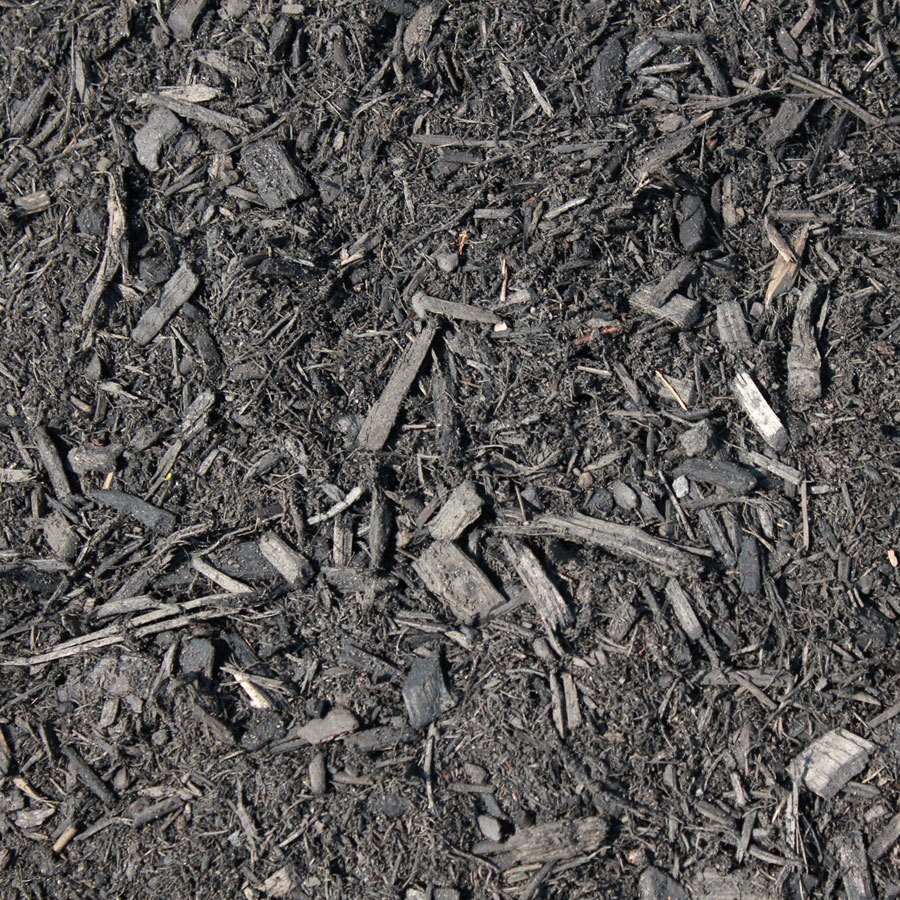
- Turn your old mulch and remove any weeds that have emerged
- Apply Preen before adding new mulch. Preen is a pre-emergence herbicide that will prevent weed seedlings from starting
- Preen and other pre-emergents should be applied in the Spring -- a good rule of thumb for applying a pre-emergent is to apply them when your Forsythia shrubs start to bloom. If applied much later, they will be ineffective
- Add new mulch at a thickness of 2-3” depth.
- Note: Landscape fabric can also be used to help with weed suppression. If you use the fabric place on the area prior to mulching
Spring is for Digging and Dividing Perennials
Over time many of your perennials will need to be divided so that they don't get crowded and to refresh them so they bloom more profusely.
Spring is the ideal time to dig up and divide your perennials because cool spring weather gives the divided plants time to grow and develop new roots before summer heat sets in.
If you have too many plants after dividing them, you can give them away to friends or neighbors or donate them to a community "Dig and Divide" sale.
What do you need for dividing?

- Something sharp like a spade shovel or transplanter to dig up the plants and separate them at the roots
- Water the plant well after you have divided them - a good soak in a bucket before transplanting helps ease the shock of dividing
- PIck a new spot for the perennial - be sure to consider how large the plant gets when fully grown - you don't want to crowd them
- Dig a hole that is about two-three times as wide and as deep the divided plant - back fill your soil around the divided plant
- Consider using a "starter" fertilzer designed for transplants or new plants or look for fertilizer with mycorrhizae, which helps new plants grow better root systems
- Be sure to read any fertilizer's application instructions because using too much or improperly can damage a young plant
Source: Kenneth C. Roth, MCH and Northeast Nusery Horticulture Staff